

Pricing
What a fence costs here
Typical installed ranges by material, the local factors that push a job up or down, and how to compare quotes.
Typical ranges
Installed price per linear foot
Use these to set a budget. Your property may land above or below them. The number to count on is your written quote, prepared after we walk the line.
| Material | Where it fits | Typical installed range, per linear foot |
|---|---|---|
| Chain link | Dog runs, acreage, commercial yards | $15–$40 |
| Pressure-treated pine | Budget privacy fences | $25–$35 |
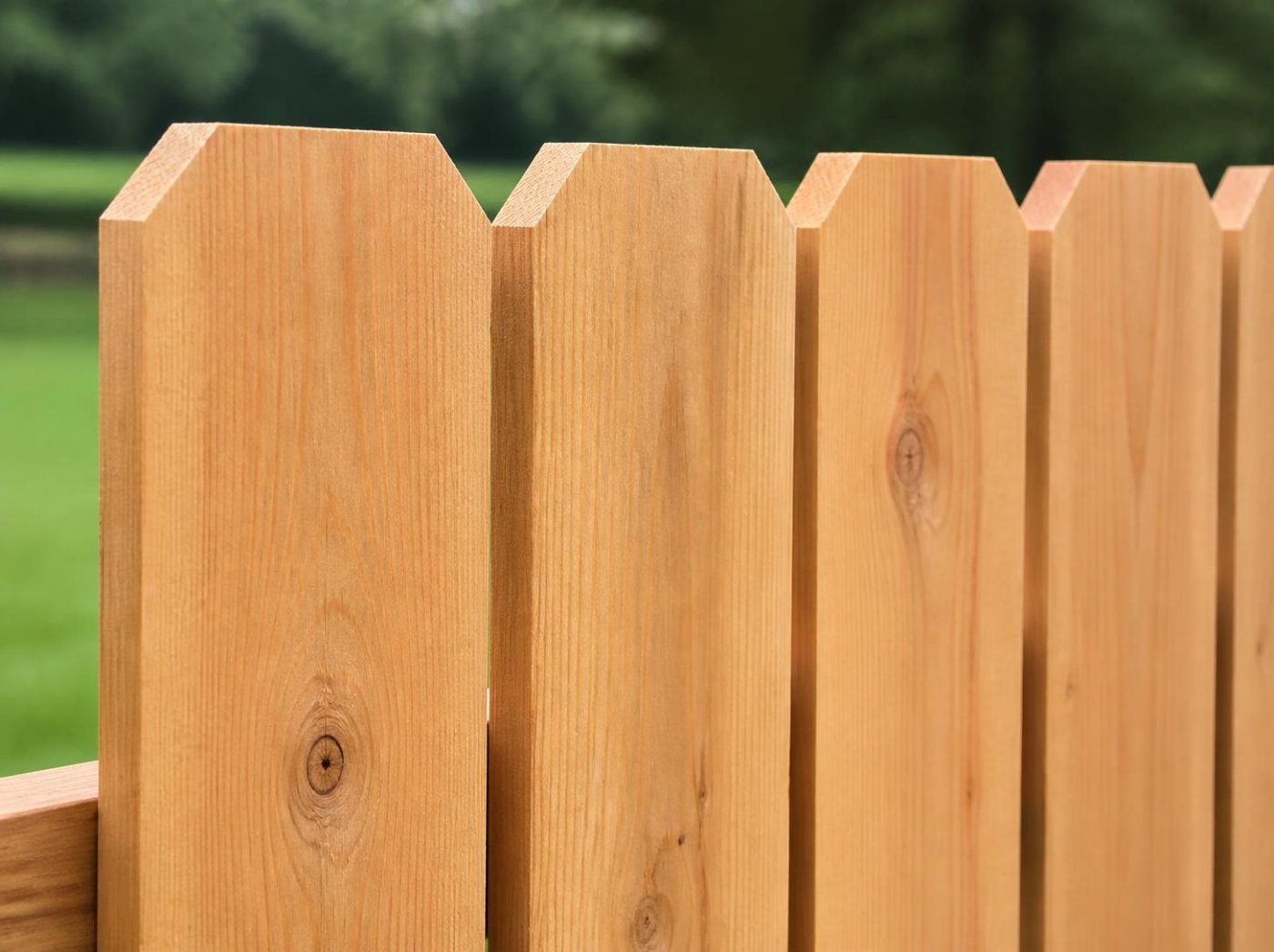
| Cedar | Backyard privacy, stained to match | $30–$47 |
| Vinyl | Low-upkeep privacy and rail | $25–$70 (3-rail from about $25–$30; privacy from about $50) |
| Aluminum | Pools, golf and lake lots | $40–$75 |
| Steel | Heavier ornamental and security | $50–$85 |
| Composite / Trex | Wood look, least upkeep | $100–$175+ |
| Farm & ranch | No-climb, field fence, barbed wire | Depends on acreage and terrain; priced on site |
These assume a fence built to last: deep posts in concrete, rust-resistant hardware, and construction for Gulf Coast humidity and storms. A quote far below the low end is missing something.
Local factors
What changes the price around here
Trees on the line
Mature pines and hardwoods mean roots in post holes and fence lines that have to bend around trunks. In The Woodlands, trees over 6 inches can't come out for a fence, so we plan around them.
Required styles and stain
A capped design, board-on-board, or a specified stain color adds material and labor. We price the fence your RDRC or HOA will approve.
See-through requirements
Golf, lake, and reserve lots often need ornamental metal instead of wood, which changes the price per foot.
Tear-out and haul-off
Removing an old fence and breaking out old footings takes labor. It's listed separately on your quote.
Flood zones and wet ground
Creek-side and low lots may need deeper or wider footings, open designs, and in some Harris County flood zones a permit with a site plan.
Long acreage runs
On larger tracts, price per foot drops while the total rises. Brace assemblies, drive gates, and access all show up.
Built in
What goes into our wood fences
- Three rails, not two, for a stiffer fence and less picket warping.
- A 6-inch rot board as standard, with taller options where allowed.
- Posts at least 24 inches deep, each set with 80 lb of concrete, deeper in loose or wet ground.
- Simpson brackets connecting rails to posts.
- Hot-dipped galvanized ring-shank nails that hold and resist rust.
Comparing quotes
When one bid is much lower
Materials cost about the same for everyone. A much lower bid usually means fewer rails, shallower posts, less concrete, thinner pickets, or a company that's hard to reach later. Ask every contractor:
- How deep are posts set, and with how much concrete?
- How are rails attached to posts?
- Who handles the RDRC or HOA packet and 811?
- What does the written warranty cover?
Our answers are on the process and warranty pages. Prefer monthly payments? See financing.
Get the exact price for your property
Call or text (713) 331-9385, or book online. We'll measure and send a written, itemized quote.